ACNE & BREAKOUTS
Acne is not simply a surface-level concern.
It is influenced by a combination of oil production, inflammation, bacterial activity and how the skin is functioning overall. When these processes become unbalanced, the skin becomes more prone to congestion, breakouts and ongoing irritation.
For many people, the issue is not just occasional breakouts, but skin that feels unpredictable, reactive or difficult to manage.


-
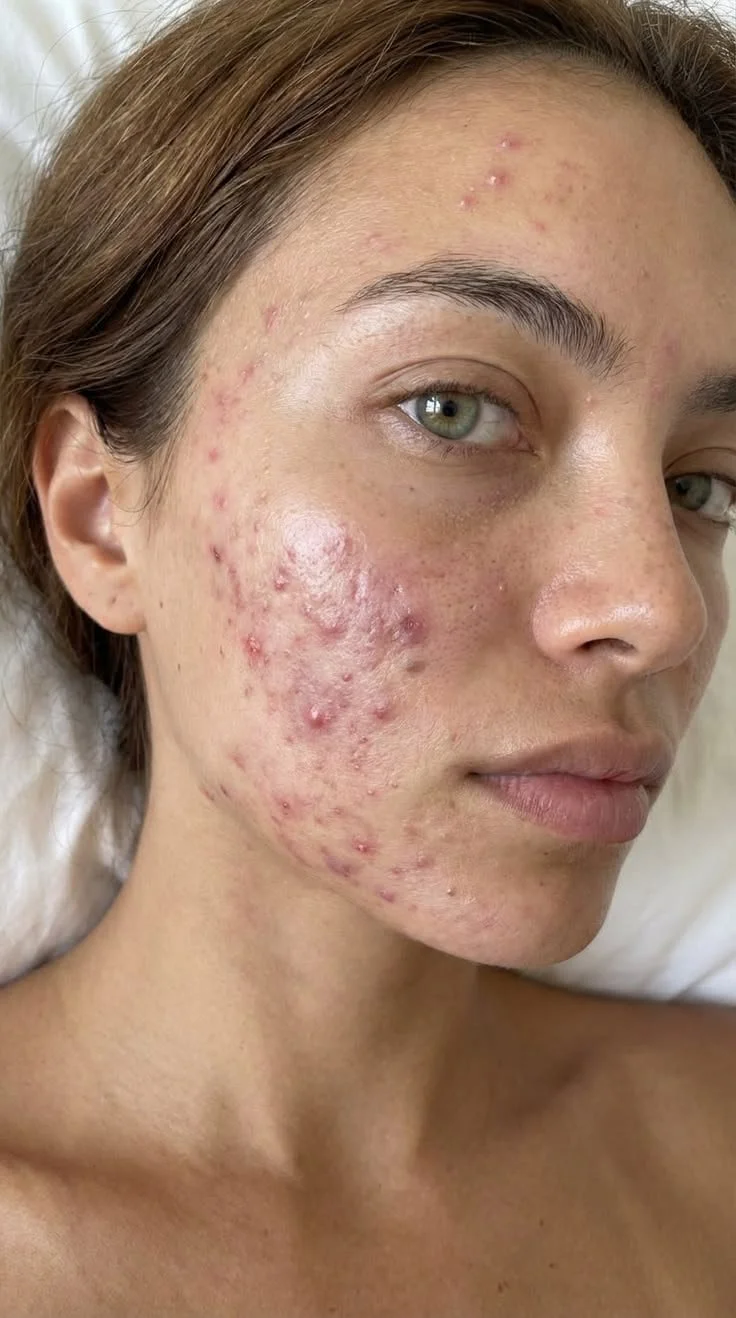
Breakouts are often treated as isolated events, however acne is usually a sign that the skin is not functioning efficiently.
When processes such as oil regulation, cell turnover and inflammation are not controlled properly, the skin becomes more prone to ongoing congestion and repeated breakouts.
This is why simply targeting individual spots rarely leads to long-term improvement.
-
Many approaches focus on drying out breakouts or reducing oil temporarily.
While this can improve the skin short-term, it does not correct the underlying imbalance. As a result, the skin often returns to the same cycle of congestion and inflammation.
At Aesthetology, we focus on supporting the skin so it can regulate itself more consistently.
This includes a combination of targeted treatments and appropriate homecare, working together to regulate how the skin behaves over time.
-
Acne is not driven by a single factor, which is why treating it with one method alone is often limited.
Breakouts are influenced by a combination of oil production, inflammation, bacterial activity and impaired cell turnover. Addressing only one of these — for example reducing oil or clearing the surface — does not correct how the skin is functioning overall.
A combined approach allows each of these processes to be targeted appropriately.
In-clinic treatments are used to clear congestion, reduce inflammation and improve skin function, while homecare works to regulate the skin consistently between treatments.
By working in this way, the skin becomes more balanced, less reactive and less prone to ongoing breakouts over time.
-
Acne is a progressive condition to treat, and improvement takes time.
In some cases, the skin may appear more active initially as underlying congestion begins to surface. This is a normal part of the process as the skin starts to clear more effectively.
As treatment continues, the skin typically becomes more balanced, with breakouts reducing in both frequency and severity.
Consistency is key.
Regular treatments, alongside appropriate homecare, allow the skin to stabilise and respond more predictably over time. A more patient, structured approach will always lead to better long-term results than quick, aggressive correction.

How do we treat acne at Aesthetology?
At Aesthetology, acne is treated by focusing on how the skin is functioning, rather than simply targeting individual breakouts.
This allows for a more controlled and consistent approach, reducing both active breakouts and the likelihood of them returning.
Treatment is always adapted based on how the skin presents, but is typically built around a combination of DMK Enzyme Therapy, DMK Transdermal Nutrition and targeted homecare.