MICRONEEDLING
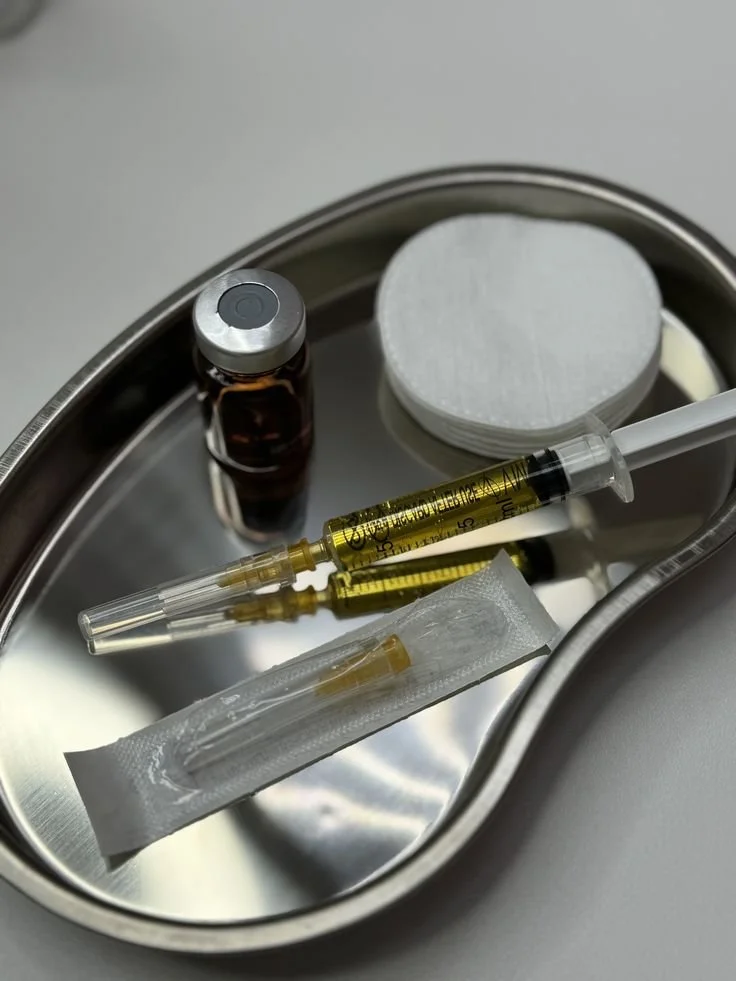
Microneedling creates thousands of controlled micro-channels within the skin to trigger the skin’s natural healing response, encouraging the production of new collagen and elastin.
-
• Stimulates collagen production
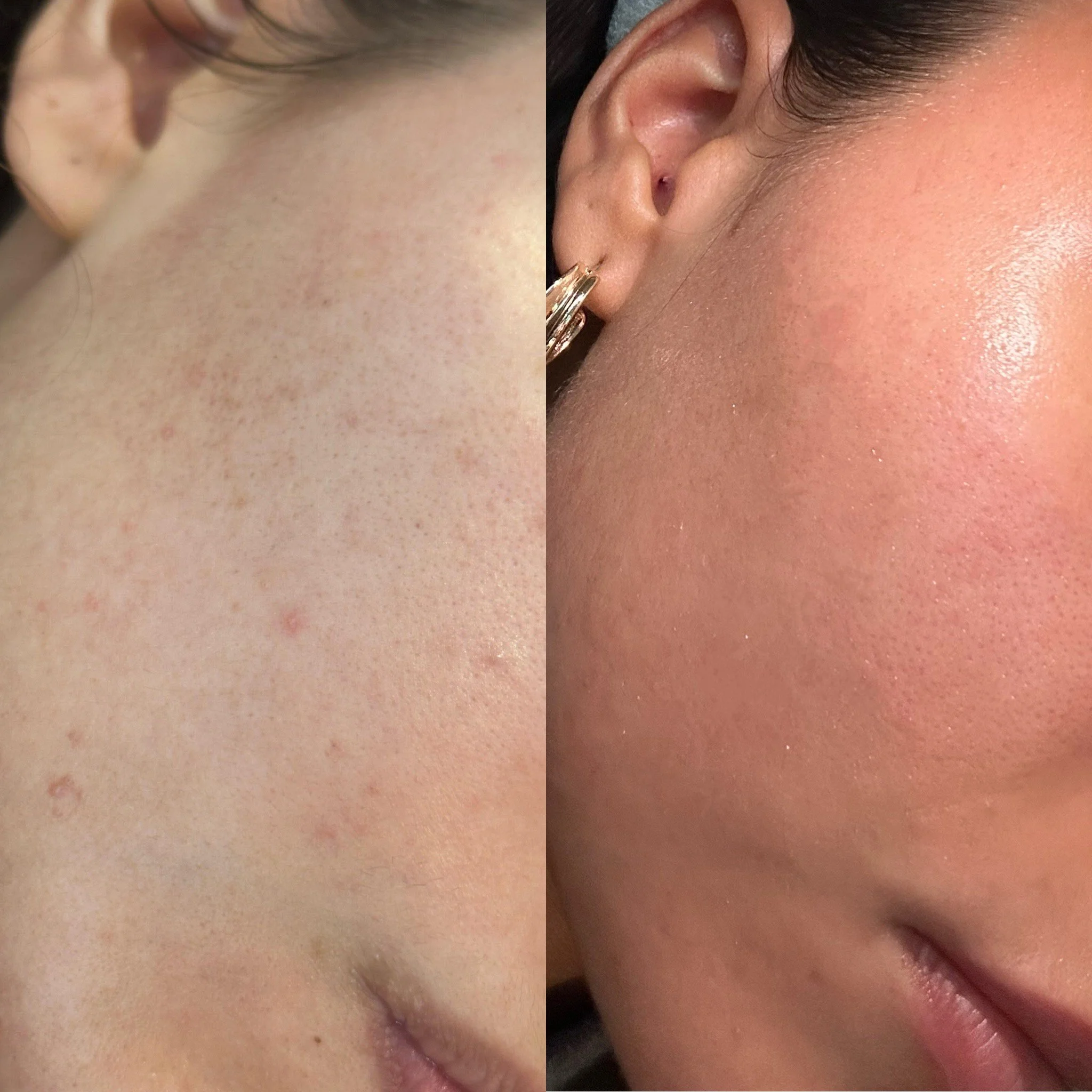
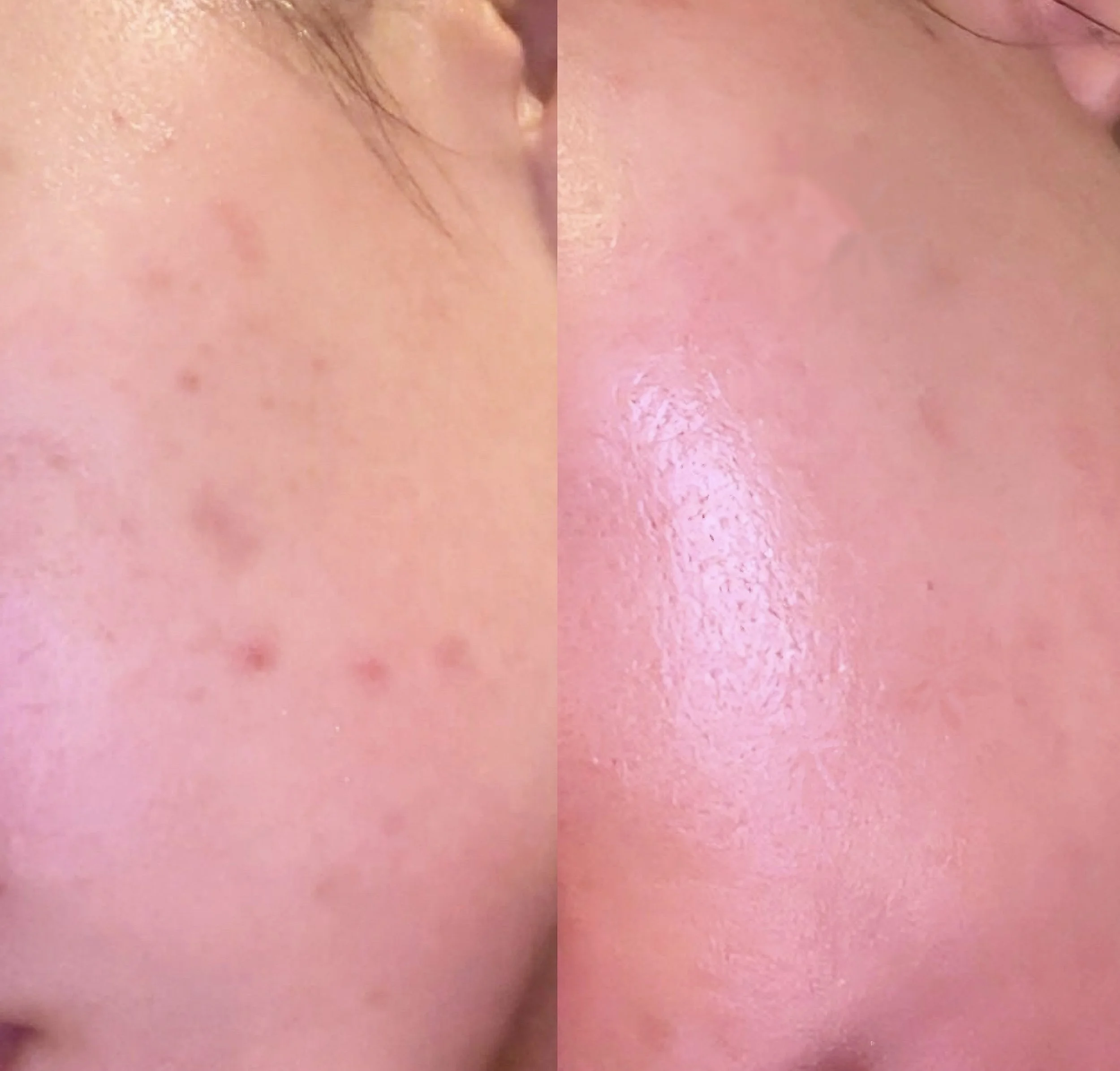
• Improves acne scarring
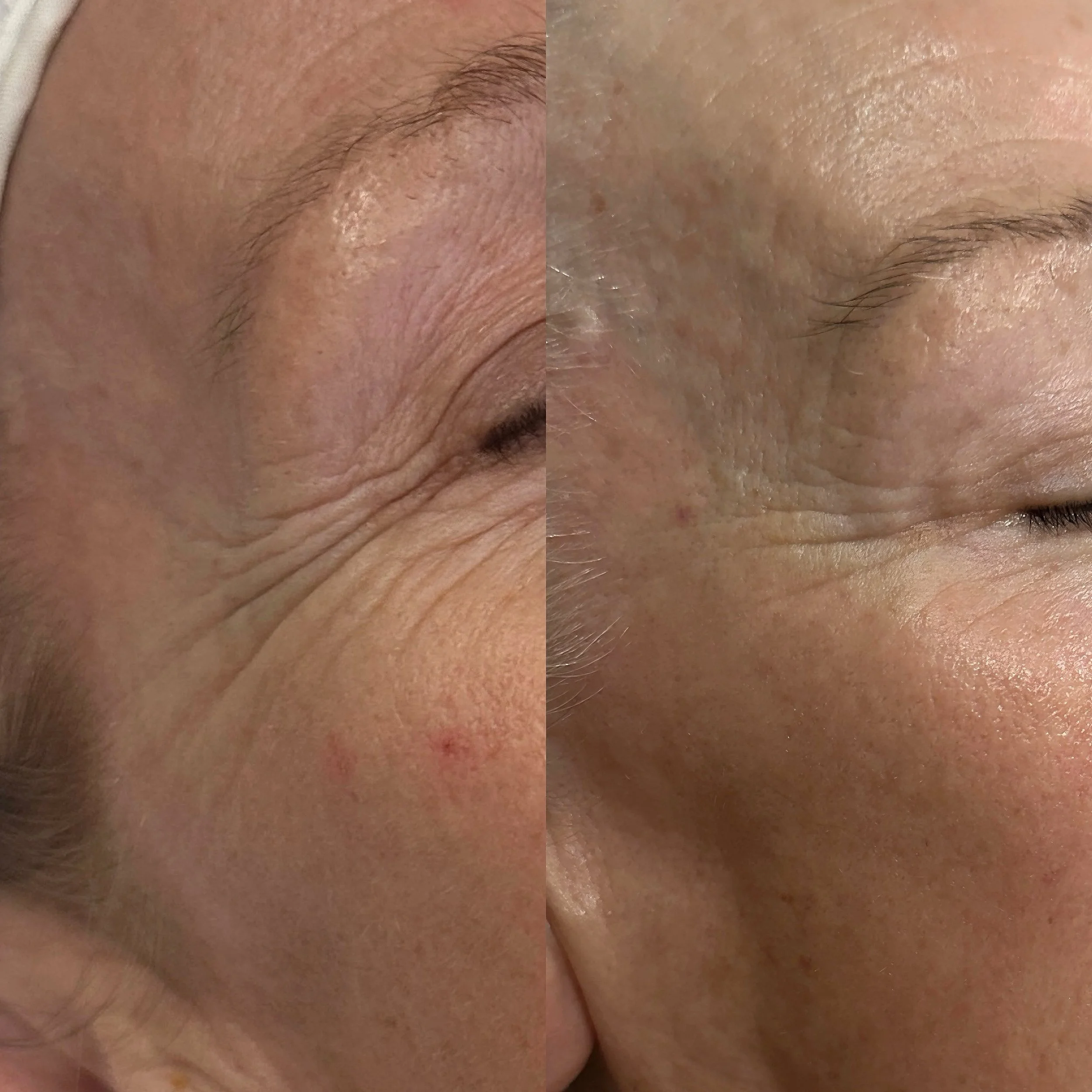
• Softens fine lines
• Refines skin texture
• Improves skin tone
• Reduces the appearance of pores
• Enhances skin firmness
• Supports healthier, stronger skin
-
Microneedling works by creating controlled micro-injuries within the skin, triggering the body's natural repair response.
Immediately after treatment, the skin will typically appear red and may feel warm, similar to mild sunburn. This usually settles within 24–48 hours.
As the skin begins to repair, collagen and elastin production are stimulated, helping to improve texture, firmness and overall skin quality over time.
While some clients notice an initial improvement in radiance, the most significant results develop gradually over the following weeks as new collagen is produced.
-
Microneedling is performed as a course for optimal results.
Most clients benefit from 3–6 treatments, spaced approximately 4–6 weeks apart, depending on their concerns and treatment goals.
Your treatment plan will be tailored to your skin, with recommendations based on factors such as acne scarring, pigmentation, fine lines and overall skin quality.
Consistent treatment, alongside appropriate homecare, will always deliver the most significant and long-lasting results.
-
£XXX • 60 mins
For enhanced regeneration, microneedling can be combined with Platelet Rich Plasma (PRP).
PRP uses growth factors derived from your own blood to support healing, collagen production and tissue repair, making it an ideal addition for concerns such as acne scarring, fine lines and overall skin rejuvenation.
Frequently Asked Questions
-
Microneedling is generally well tolerated, although you will feel the treatment.
Most clients describe it as a slight scratching or prickling sensation, with some areas of the face being more sensitive than others.
The treatment is performed in a controlled and precise way to ensure it remains comfortable while still being effective.
-
Downtime is generally minimal, but your skin will go through a short, controlled recovery phase as it begins to repair.
Immediately after treatment, the skin will appear red and slightly flushed, similar to a mild to moderate sunburn. This typically settles within 24–48 hours.
In the days following, you may notice:
• slight tightness or dryness
• light flaking as the skin renews
• increased sensitivityMost clients feel comfortable returning to normal activities the next day, although it is recommended to avoid intense exercise, heat treatments and active skincare for a few days while the skin recovers.
-
Yes — when the skin isn’t renewing itself efficiently, it can start to look flat or uneven.
Microneedling helps kickstart that renewal process, which is why skin often looks fresher and more refined over time.
-
Skincare plays an important role in maintaining the skin, but it works primarily on the surface.
When concerns such as uneven texture, scarring or collagen loss develop deeper within the skin, topical products alone are often not enough to create meaningful change.
Microneedling works differently by stimulating the skin’s natural repair processes from within, which is why it is often recommended when skincare has reached its limit.
-
This depends on how advanced your concerns are.
Standard microneedling is effective for general skin improvement, while PRP is often recommended when you want to take results further — particularly for scarring, texture or more noticeable changes.
-
Yes — microneedling works both preventatively and correctively.
It can help maintain skin quality and slow down changes, as well as improve more noticeable concerns.