PIGMENTATION
Pigmentation is one of the most common concerns, but also one of the most misunderstood.
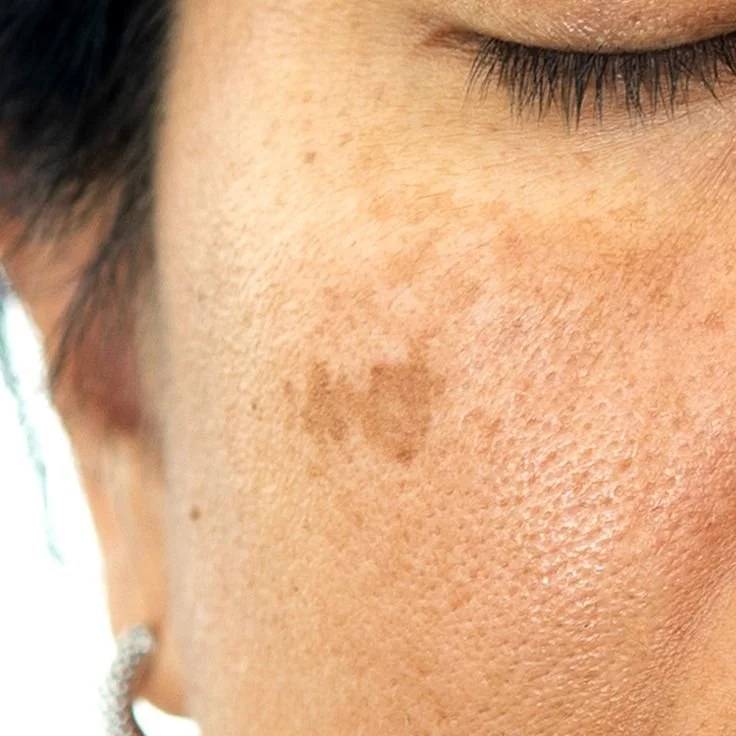
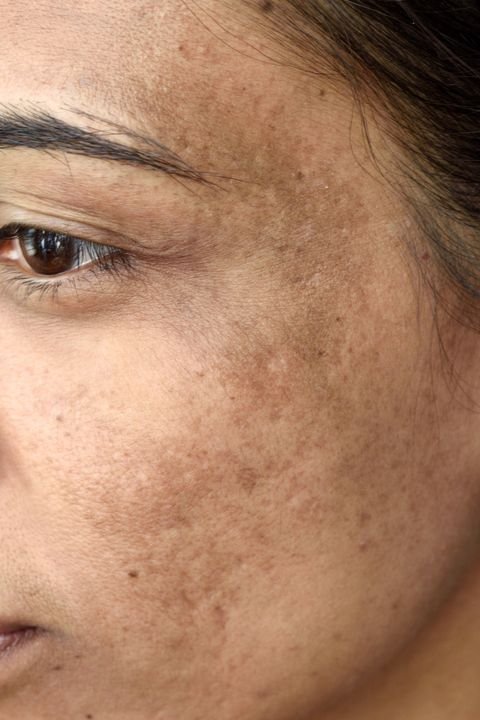
It occurs when melanin is produced unevenly within the skin, leading to areas of discolouration such as sun damage, melasma or post-inflammatory pigmentation.
While it can appear on the surface, the cause is often deeper and influenced by factors such as sun exposure, hormones, inflammation and skin trauma.

-
Pigmentation is not just something that can be “removed”.
In many cases, the skin continues to produce excess pigment even after it has faded, which is why it often returns.
Treating pigmentation effectively requires:
• controlling melanin production
• supporting overall skin function
• protecting the skin from further stimulationWithout this, results are often temporary.
-
Successful treatment focuses on consistency and control.
Rather than aggressive, one-off treatments, a more structured approach is needed to gradually reduce pigmentation while preventing it from returning.
This includes a combination of targeted treatments and appropriate homecare, working together to regulate how the skin behaves over time.
-
Pigmentation rarely improves with a single treatment alone.
Focusing only on removing pigment without addressing the underlying triggers often leads to recurrence. Equally, supporting the skin without actively treating the pigment can limit visible change.
By combining treatments that correct, regulate and support the skin, results are more consistent and longer-lasting.
-
Pigmentation is a gradual process to treat.
Improvement is typically seen over a course of treatments, with changes becoming more noticeable as the skin begins to regulate itself more effectively.
Consistency — both in treatment and homecare — is key to achieving and maintaining results.

How do we treat pigmentation at Aesthetology?
Treatment is always selected based on the type, depth and behaviour of pigmentation, as different forms respond in very different ways.
Some pigmentation sits more superficially, while others are driven by deeper factors such as inflammation or hormonal influence. Because of this, treatment is rarely one-dimensional.
A more effective approach focuses on both reducing existing pigment and controlling the processes that cause it to return.